Swim Tips
Improving your swimming requires a focus on body alignment, efficient breathing, and consistent practice. By keeping your head neutral, extending your reach, and exhaling steadily underwater, you can reduce drag and increase speed. These essential swim tips help swimmers of all levels build confidence and master aquatic safety.
Why is body alignment the foundation of better swimming?
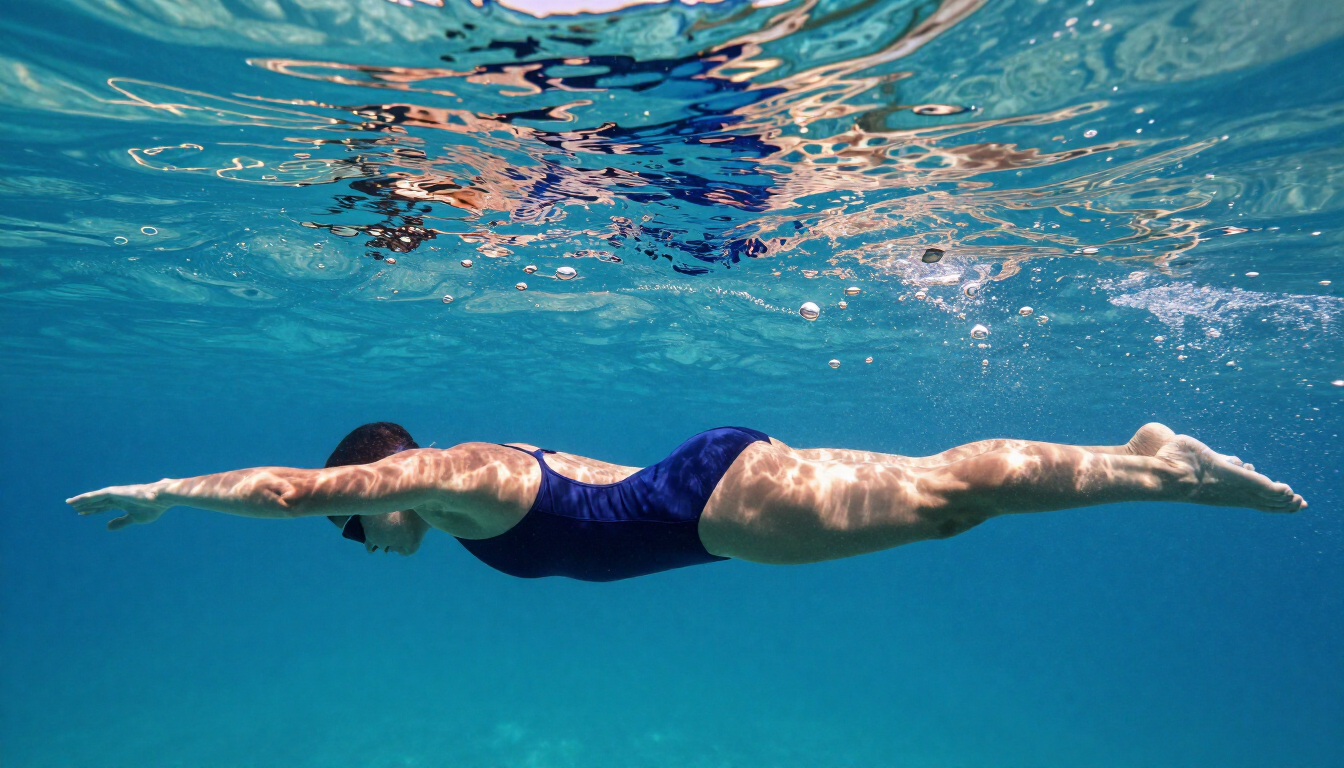
In the water, your biggest enemy is resistance. Most swimmers struggle because their hips and legs sink, creating a vertical profile that acts like an anchor. To swim efficiently, you must imagine your body as a long, straight needle. At Chicago Swim 4 Wellness, we emphasize a neutral spine position. This means looking at the bottom of the pool rather than straight ahead, which naturally lifts your hips to the surface.
When your body is perfectly horizontal, you slice through the water with minimal effort. Think about "pressing your buoy"—the air in your lungs—down slightly to help your lower body float. A streamlined position is not just for Olympic athletes; it is the most critical factor for any swimmer looking to enjoy longer, more comfortable laps without exhaustion.
How can you master rhythmic breathing?
Breathing is often the most stressful part of swimming for beginners and intermediate athletes alike. The secret to smooth breathing is never holding your breath. Many swimmers make the mistake of holding their breath while their face is in the water, which leads to a buildup of carbon dioxide and a feeling of panic. Instead, you should be slowly exhaling through your nose or mouth the entire time your face is submerged.
When it is time to take a breath, your lungs should be nearly empty. This allows you to take a quick, relaxed inhalation as you rotate your body. Remember to turn your head just enough to clear the surface—keeping one eye submerged helps maintain that crucial body alignment we discussed earlier.
To improve your breath control, try these steps:
- Practice "bubbles" at the wall to get comfortable exhaling underwater.
- Focus on a 3-count stroke rhythm for bilateral breathing.
- Keep your neck relaxed; don't lift your head, just rotate it.
- Maintain a steady, rhythmic hum to ensure air is flowing out.
- Use a snorkel during drills to focus purely on your stroke mechanics.
Essential Swim Gear for Every Level
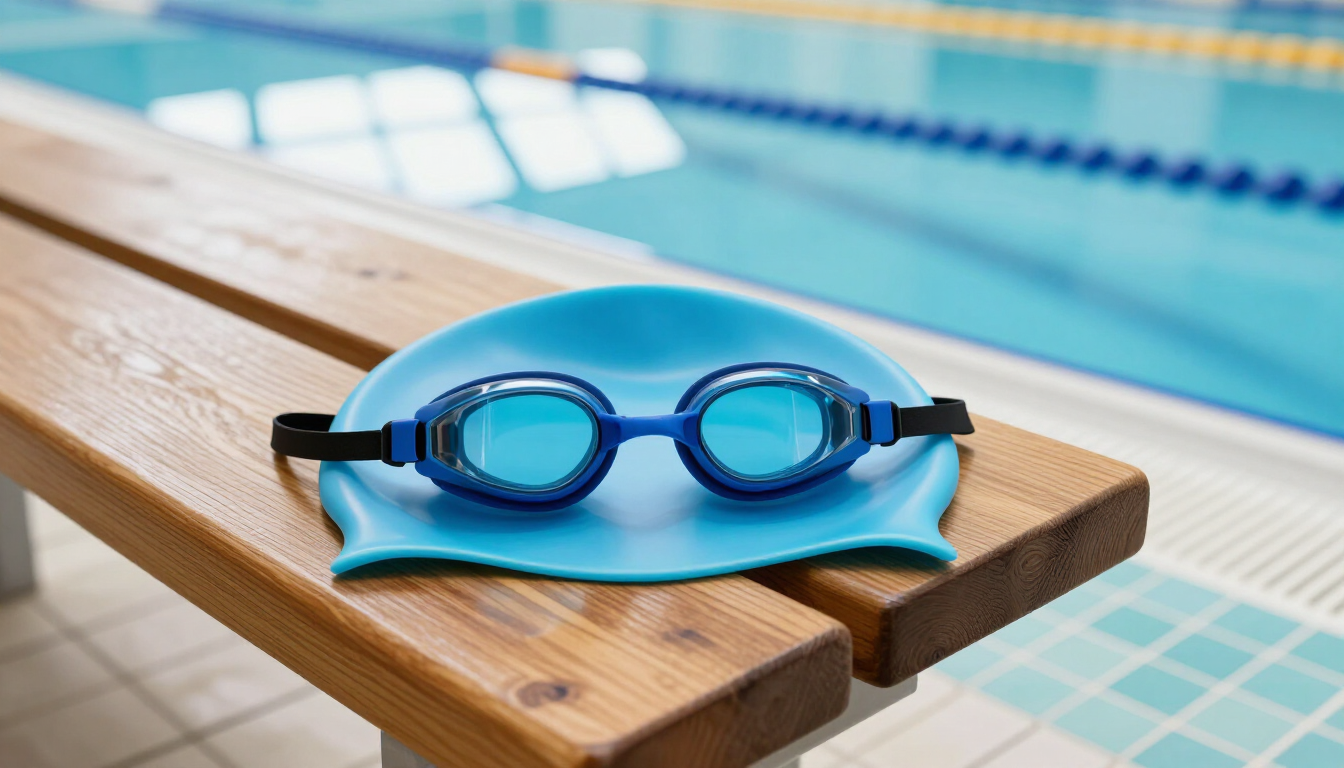
While swimming is a minimalist sport, having the right equipment can significantly enhance your training sessions. High-quality gear isn't just about speed; it's about comfort and providing the right feedback to your body as you learn new techniques. For many of our students, the right pair of goggles is the difference between a productive lesson and a frustrating one. Seek out a leak-proof fit that doesn't require constant adjustment.
Beyond goggles, consider using fins or a kickboard to isolate specific movements. Fins are excellent for building ankle flexibility and helping you feel what a high body position should be like. However, use them sparingly so you don't become dependent on the extra propulsion.
What are the best drills for faster strokes?
Drills are the building blocks of a better stroke. Instead of just swimming endless laps with poor form, dedicated drill time allows you to focus on one specific movement at a time. One of the most effective exercises is the "Catch-Up" drill. This involves keeping one arm extended in front of you until the other arm finishes its stroke and literally "catches up" to it. This reinforces a long, patient stroke and prevents you from rushing through the water.
Another favorite at Chicago Swim 4 Wellness is the "Fist Drill." By swimming with closed fists, you lose the surface area of your palms, forcing you to use your forearms to grip the water. When you finally open your hands again, you’ll feel a massive increase in power and awareness of your "catch."
Building Confidence Through Wellness Coaching
Swimming is as much a mental challenge as it is a physical one. If you approach the pool with anxiety or a rigid mindset, your muscles will tense up, making it harder to float and move fluidly. This is where the wellness aspect of our coaching comes into play. We encourage swimmers to view their time in the water as a form of moving meditation. By focusing on the sensation of the water and the rhythm of your breath, you can lower your heart rate and build a more positive relationship with the aquatic environment.
Visit our Home page to learn more about how we integrate safety training with personalized wellness strategies to help you reach your goals.
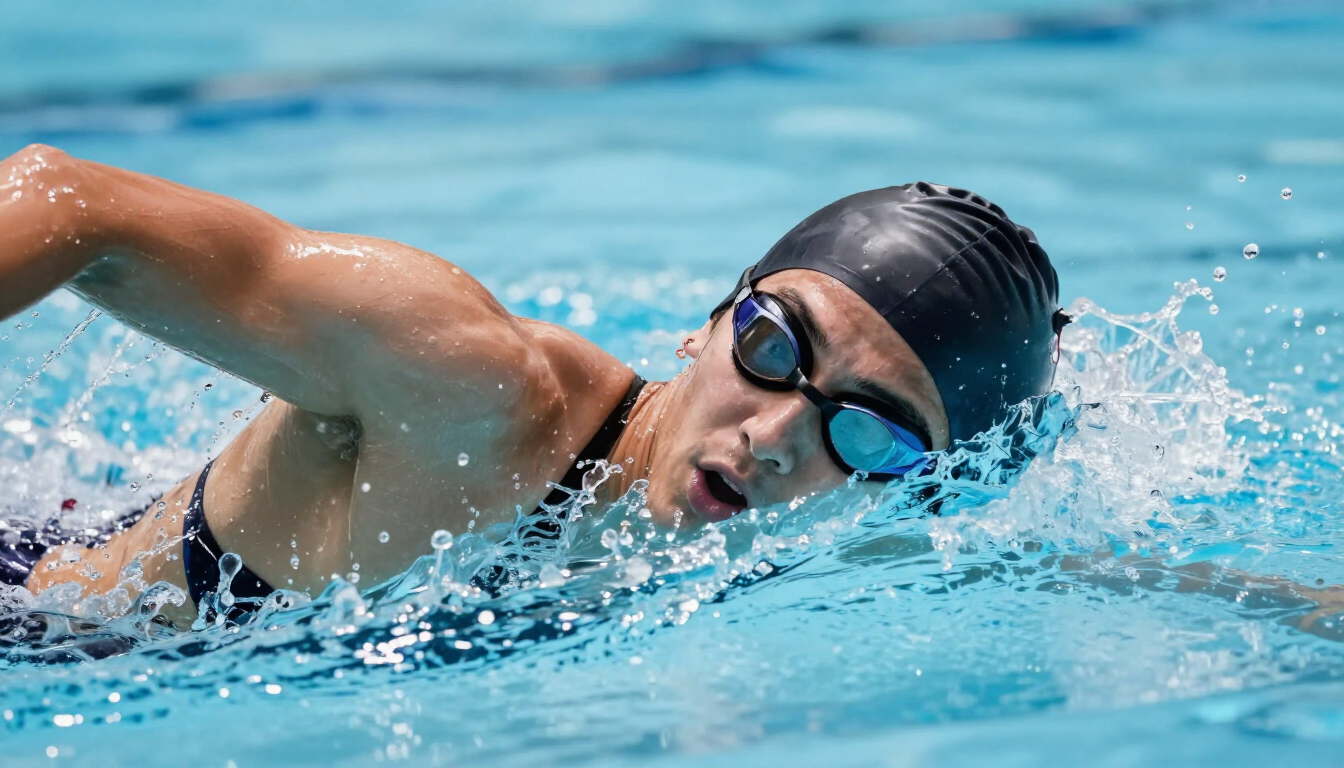
Summary of Essential Swim Tips
Improving your swimming is a journey of both physical skill and mental calm. Focus first on your body position to minimize resistance, then layer in rhythmic breathing to maintain stamina. Using the right gear and consistent drills will accelerate your progress, but don't forget the wellness aspect—staying relaxed and confident is just as important as the perfect stroke. If you are ready to dive deeper into your training, Chicago Swim 4 Wellness is here to support you with personalized instruction tailored to your unique needs.
Key Takeaways:
- Prioritize a horizontal, streamlined body position to reduce drag.
- Exhale continuously underwater to prevent CO2 buildup and panic.
- Incorporate regular drills like the Catch-Up drill to refine your form.
- Choose gear that fits comfortably and supports your specific goals.
- Practice patience and self-compassion to build long-term confidence.
Recent Posts