First Aid Information
What is the most important first aid for swimmers?
First aid for swimmers focuses on immediate recognition and response to water-based emergencies, including drowning prevention, wound care, and temperature-related issues. Essential skills involve secondary drowning awareness, CPR, and basic rescue techniques that prioritize safety for both the victim and the first responder in diverse aquatic environments.
Swimming is one of the most beneficial forms of exercise for cardiovascular health, muscle toning, and mental clarity. However, the unique environment of a pool, lake, or ocean presents specific risks that require specialized knowledge. Whether you are a competitive athlete, a fitness enthusiast, or a parent supervising children, understanding the fundamentals of first aid for swimmers is not just a skill—it is a responsibility. At Chicago Swim 4 Wellness , we believe that true wellness encompasses both physical performance and the security of knowing how to handle the unexpected.
Water-based emergencies can escalate rapidly. Unlike injuries on dry land, an incapacitated person in the water faces the immediate threat of submersion. This means that the "first responder" is almost always the person nearest to the victim. Recognizing the subtle signs of distress, such as a swimmer who is vertical in the water but not making forward progress, can be the difference between a minor incident and a tragedy.
Essential Gear for Every Swimmer’s First Aid Kit
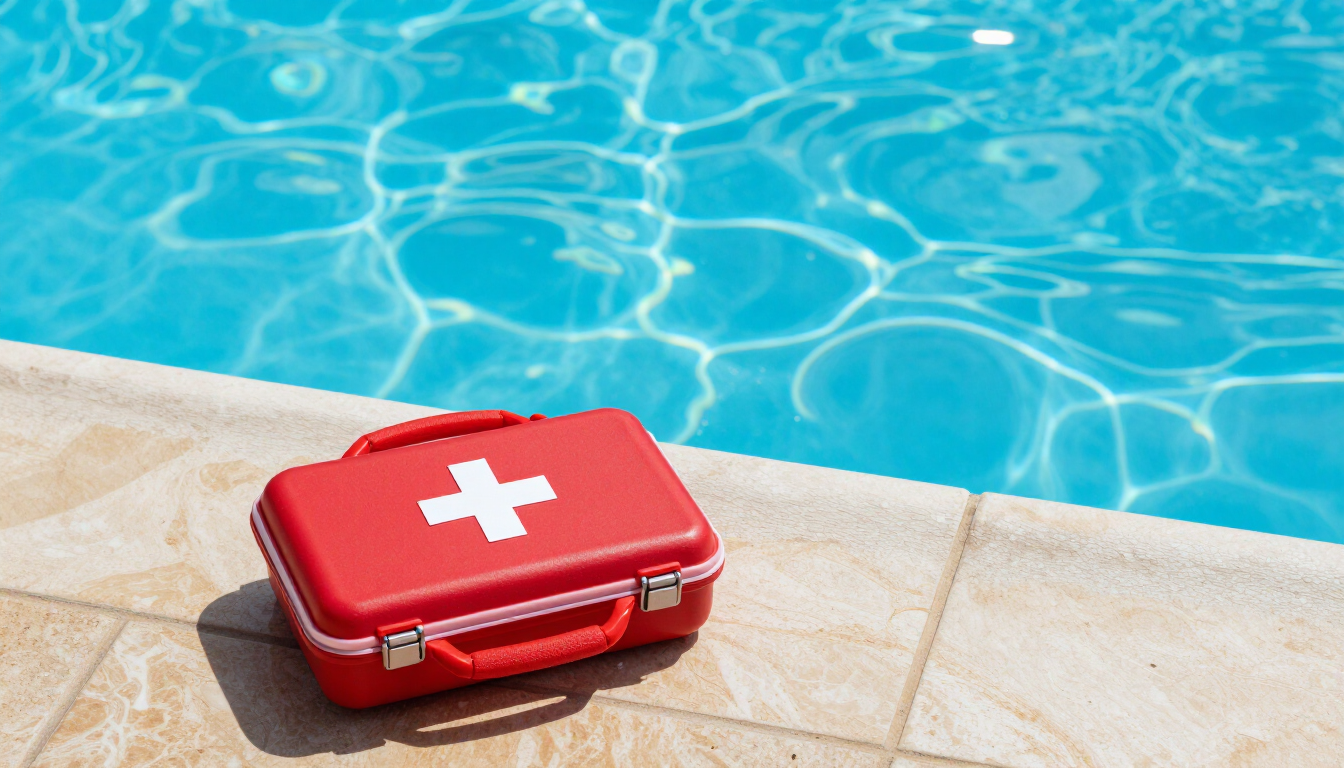
A standard first aid kit often lacks the items necessary for aquatic environments. When assembling a kit for a swimmer, you must consider the effects of moisture and the types of injuries common in wet areas. Waterproofing your supplies is the first step in ensuring they remain effective when you need them most.
Your specialized kit should include:
- Waterproof adhesive bandages and liquid bandages for small cuts.
- Saline solution for flushing eyes or cleaning pool-surface scrapes.
- Antiseptic wipes and antibiotic ointment to prevent infection.
- A resuscitation mask or pocket mask for safe rescue breathing.
- Thermal blankets to manage body temperature after extraction.
Beyond these items, consider the environment. If you are swimming in chlorinated pools, eye drops can help soothe irritation. If you are an open-water swimmer, vinegar or specialized stings treatments are essential for jellyfish encounters. Always check your kit every six months to ensure that ointments haven't expired and that adhesive strips haven't lost their stickiness due to heat exposure by the poolside.
How do you treat common swimming injuries effectively?
While most people associate first aid for swimmers with major emergencies, the most frequent issues are minor injuries like muscle cramps, swimmer’s ear, and abrasions. Muscle cramps, often caused by dehydration or overexertion, can be terrifying if they occur in deep water. The primary first aid response is to remain calm, float on your back, and gently stretch the affected muscle until the spasm passes.
For abrasions caused by rough pool tiles or concrete decks, the area should be cleaned immediately with fresh water and soap. Pool water, while treated with chemicals, can still harbor bacteria that lead to infections in open wounds. Applying a waterproof barrier over the wound before re-entering the water is critical to prevent further irritation and maintain hygiene standards for other swimmers.
Swimmer’s ear, an infection of the outer ear canal, is another common concern. While technically a medical condition rather than an acute injury, the "first aid" involves prevention. Drying the ears thoroughly with a towel or using a specialized drying solution after every session can prevent the buildup of bacteria. If pain persists, seeking professional medical advice is necessary, as untreated infections can impair hearing and balance.
Step-by-Step Response to Aquatic Emergencies
When a serious emergency occurs, such as a swimmer losing consciousness or struggling to stay afloat, a systematic approach is vital. The "Reach, Throw, Don't Go" principle is the gold standard for non-professional rescuers to ensure they do not become a second victim.
Follow these steps for a safe emergency response:
- Recognize the Distress: Look for quiet struggling or a lack of rhythmic breathing.
- Reach or Throw: Use a pool hook, towel, or life ring to pull the person to safety.
- Call for Help: Direct a specific person to call emergency services immediately.
- Extract Safely: Assist the victim out of the water while supporting the head and neck.
- Assess and Assist: Check for breathing and pulse; begin CPR if necessary.
Why is CPR training vital for frequent swimmers?
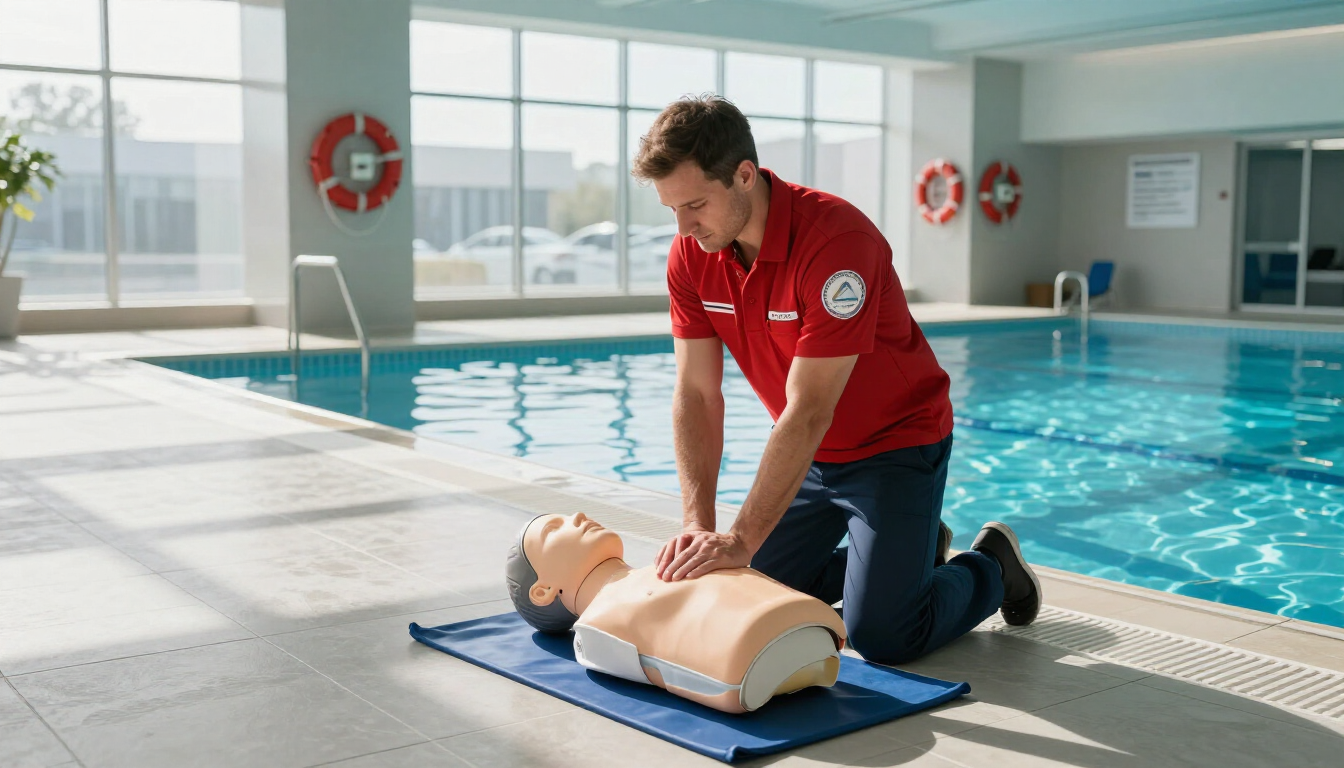
Cardiopulmonary Resuscitation (CPR) is a life-saving technique that is particularly effective in drowning cases. When a person stops breathing due to water inhalation, their heart will eventually stop as oxygen levels in the blood drop. By performing CPR, you are manually pumping oxygenated blood to the brain, which can prevent permanent damage or death while waiting for paramedics.
CPR for swimmers often involves rescue breaths, unlike the "hands-only" CPR recommended for cardiac arrest on land. This is because the primary issue in drowning is a lack of oxygen (hypoxia). Learning the correct ratio of chest compressions to breaths through a certified course is essential for anyone who spends significant time in aquatic environments. At Chicago Swim 4 Wellness , we emphasize that being a confident swimmer also means being a prepared community member.
What are the signs of secondary drowning to watch for?
Secondary drowning, also known as delayed drowning, is a rare but serious condition that can occur after a person has inhaled even a small amount of water. While the individual may seem fine immediately after leaving the pool, the water in the lungs can cause inflammation and fluid buildup (pulmonary edema) over several hours. This prevents oxygen from entering the bloodstream.
Symptoms to monitor in the 24 hours following a water incident include:
- Difficulty breathing or rapid, shallow breaths.
- Persistent coughing that does not subside.
- Extreme lethargy or unusual sleepiness.
- Irritability or significant changes in behavior.
- Chest pain or vomiting.
If any of these signs appear, it is imperative to seek emergency medical care. Early intervention is highly effective, but ignoring the symptoms can lead to respiratory failure. This is why first aid for swimmers extends well beyond the moment they exit the water; monitoring for at least a full day is a necessary safety protocol after any near-drowning or significant water inhalation event.
Managing Temperature-Related Illnesses in Open Water
For those who prefer lakes, rivers, or the ocean, temperature management is a key aspect of first aid. Hypothermia can set in even in relatively mild water if the exposure is long enough. Conversely, heat exhaustion is common in outdoor pools during the peak of summer. Recognizing the early signs of these conditions—shivering and confusion for hypothermia, or dizziness and heavy sweating for heat exhaustion—is the first step in prevention.
If a swimmer shows signs of hypothermia, they should be removed from the water, dried off, and wrapped in warm, dry layers. Avoid rubbing the skin vigorously, as this can damage cold tissues. For heat-related issues, moving to a shaded area, sipping cool water, and applying damp cloths to the neck and armpits can help lower the core body temperature. Integration of these water safety tips into your routine ensures that you can enjoy the water year-round without compromising your health.

Why proactive safety improves the swimming experience?
Adopting a proactive approach to first aid for swimmers does more than just prepare you for emergencies; it builds a foundation of confidence that allows you to push your limits safely. When you know how to handle a cramp, identify the signs of exhaustion, or respond to a minor cut, the water becomes a space of empowerment rather than one of hidden dangers. Safety training is an investment in your longevity as an athlete and your peace of mind as a recreational swimmer.
By staying informed about the latest emergency response for pools and maintaining a well-stocked kit, you contribute to a safer environment for everyone. Wellness is a holistic journey, and at Chicago Swim 4 Wellness , we are dedicated to helping you navigate that journey with the best tools, education, and support available. Remember that the best first aid is the prevention that happens before you even step onto the pool deck.
Key Takeaways for Swimmers:
- Equip Yourself: Always have a waterproof first aid kit nearby containing specific aquatic supplies.
- Master CPR: Enroll in a certification course that covers rescue breathing for drowning victims.
- Monitor Post-Swim: Be vigilant about the signs of secondary drowning for 24 hours after any water incident.
- Stay Calm: In any emergency, your ability to remain composed is your most effective tool for helping others.
- Seek Education: Continuous learning about water safety tips ensures you are always prepared for the evolving challenges of the water.
Recent Posts