Nutrition & Wellness Tips
Swimmer wellness tips focus on a balanced approach to hydration, nutrient-dense fueling, and consistent recovery. By prioritizing lean proteins, complex carbohydrates, and proper electrolyte balance, swimmers can maintain high energy levels, improve endurance, and enhance muscle repair, ensuring safety and confidence in the water at every experience level.
Maintaining a healthy lifestyle is not just about the hours spent in the pool; it is about how you treat your body during the other twenty-three hours of the day. At Chicago Swim 4 Wellness, we believe that swimming excellence and personal health are deeply interconnected. Whether you are a competitive athlete or someone learning the basics of water safety, the fuel you provide your body determines your success. This guide explores the essential components of wellness specifically tailored for those who spend time in the water. From the macro-nutrients that power your strokes to the recovery protocols that prevent injury, understanding these wellness tips is the first step toward a more confident and capable version of yourself.
What is the best nutrition for swimmers?
Nutrition for swimmers must be functional, providing immediate energy for high-intensity movement while supporting long-term muscular health. Because swimming is a full-body workout that engages every major muscle group, the caloric demand is significantly higher than many other sports. To meet this demand, a diet rich in complex carbohydrates is essential. Carbohydrates serve as the primary fuel source for your muscles, stored as glycogen. When your glycogen levels are topped off, you experience less fatigue and greater power during your sets. Think of whole grains, brown rice, and quinoa as your body’s long-term battery. These foods release energy slowly, preventing the sugar crashes often associated with processed snacks.
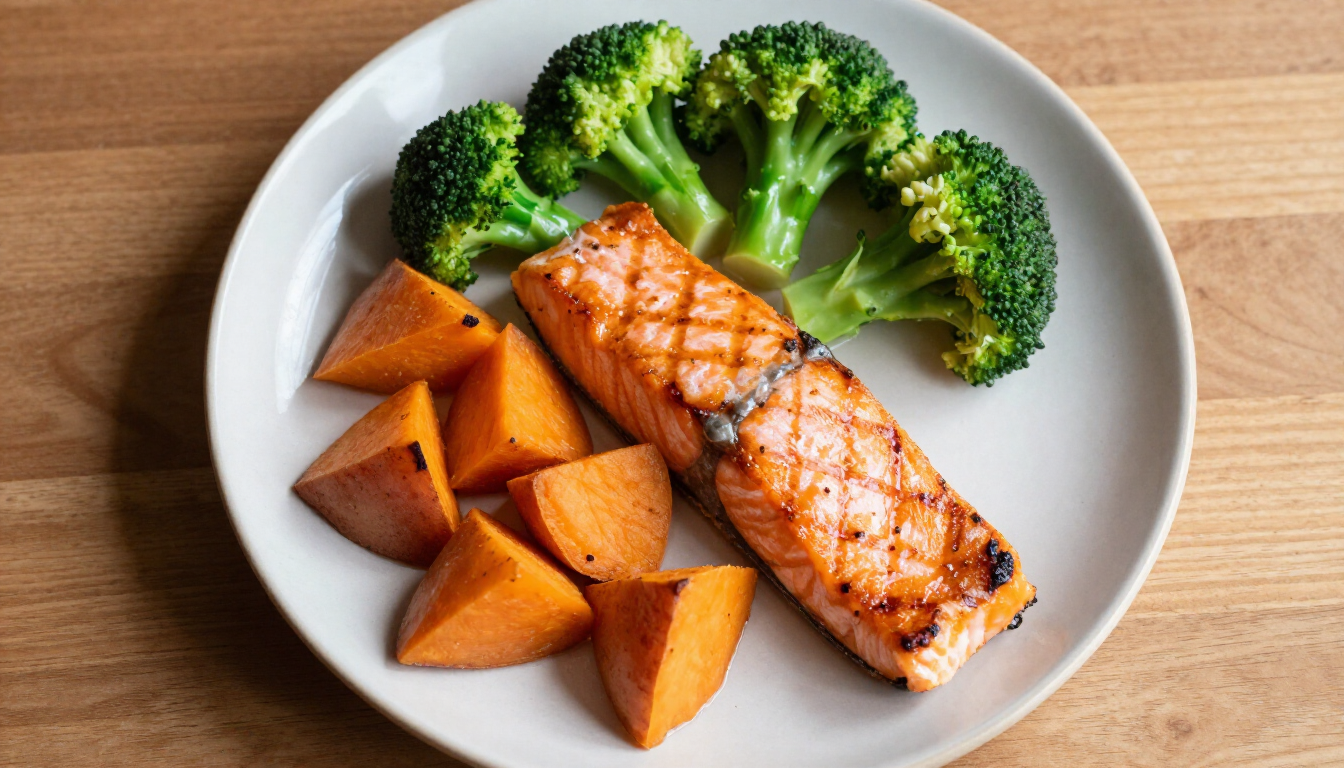
In addition to carbohydrates, protein plays a critical role in the wellness of a swimmer. Water provides constant resistance, which causes micro-tears in the muscle fibers. Lean proteins—such as chicken, turkey, fish, beans, and lentils—provide the amino acids necessary to repair and strengthen these fibers. For younger swimmers or those in growth phases, protein is even more vital for developmental health. Fats should not be ignored either; healthy fats from avocados, nuts, and olive oil support joint health and hormone production, which are crucial for sustained athletic performance. A balanced plate for a swimmer usually follows a specific ratio to ensure all metabolic needs are met efficiently.
To optimize your daily intake, consider these five food groups:
- Complex carbohydrates for sustained energy levels.
- Lean proteins for efficient muscle tissue repair.
- Healthy fats to support joint and heart health.
- Leafy greens for essential vitamins and minerals.
- Fresh fruits for natural sugars and antioxidants.
Strategic Hydration for Pool Performance
A common misconception is that swimmers do not need to hydrate because they are surrounded by water. However, the physical exertion of swimming causes significant sweating, even if the cool water temperature masks it. Dehydration can lead to muscle cramps, decreased coordination, and a loss of focus, all of which can be dangerous in an aquatic environment. Effective hydration begins long before you arrive at the pool. You should aim to consume water consistently throughout the day to ensure your cells are fully saturated.
For those participating in longer sessions or high-intensity training, water alone might not be enough. Electrolytes—including sodium, potassium, and magnesium—are lost through sweat and are necessary for proper nerve function and muscle contraction. Incorporating a low-sugar electrolyte drink or consuming foods like bananas and salted nuts can help maintain this balance. Monitoring the color of your urine is a simple yet effective way to check your hydration status; a pale straw color generally indicates that you are well-hydrated. Remember that by the time you feel thirsty, your body is already experiencing a performance decline. At Chicago Swim 4 Wellness , we emphasize that staying hydrated is a fundamental part of our safety training, as a well-hydrated swimmer is a more alert and capable swimmer.
How should I fuel before a swim lesson?
Timing is everything when it comes to pre-swim fueling. Eating the wrong thing too close to your lesson can lead to digestive discomfort or even nausea, while not eating enough can leave you feeling weak. The goal of a pre-swim snack or meal is to provide a quick boost of energy without weighing down your stomach. Ideally, a larger meal should be consumed two to three hours before you enter the water. This meal should be high in carbohydrates and moderate in protein. Examples include a turkey sandwich on whole-wheat bread or a bowl of oatmeal with berries. These foods are easy to digest and provide a steady stream of glucose to your working muscles.
If you find yourself needing a boost thirty to sixty minutes before your session, look for simple carbohydrates that the body can process quickly. A piece of fruit, such as a banana or an apple, is an excellent choice. Some swimmers prefer a small handful of pretzels or a low-fat granola bar. Avoid foods that are high in fiber or fat immediately before swimming, as these take longer to digest and can cause cramping. Every individual is different, so it is helpful to experiment with different snacks to see what makes you feel the most energized. Paying attention to how your body reacts to certain foods during your lessons is a key part of the wellness coaching process we offer.
Consider these quick pre-swim snack options:
- A medium banana for potassium and energy.
- Half a turkey wrap for light protein.
- A small serving of low-fat yogurt.
- Rice cakes with a thin layer of almond butter.
- A handful of grapes for quick hydration.
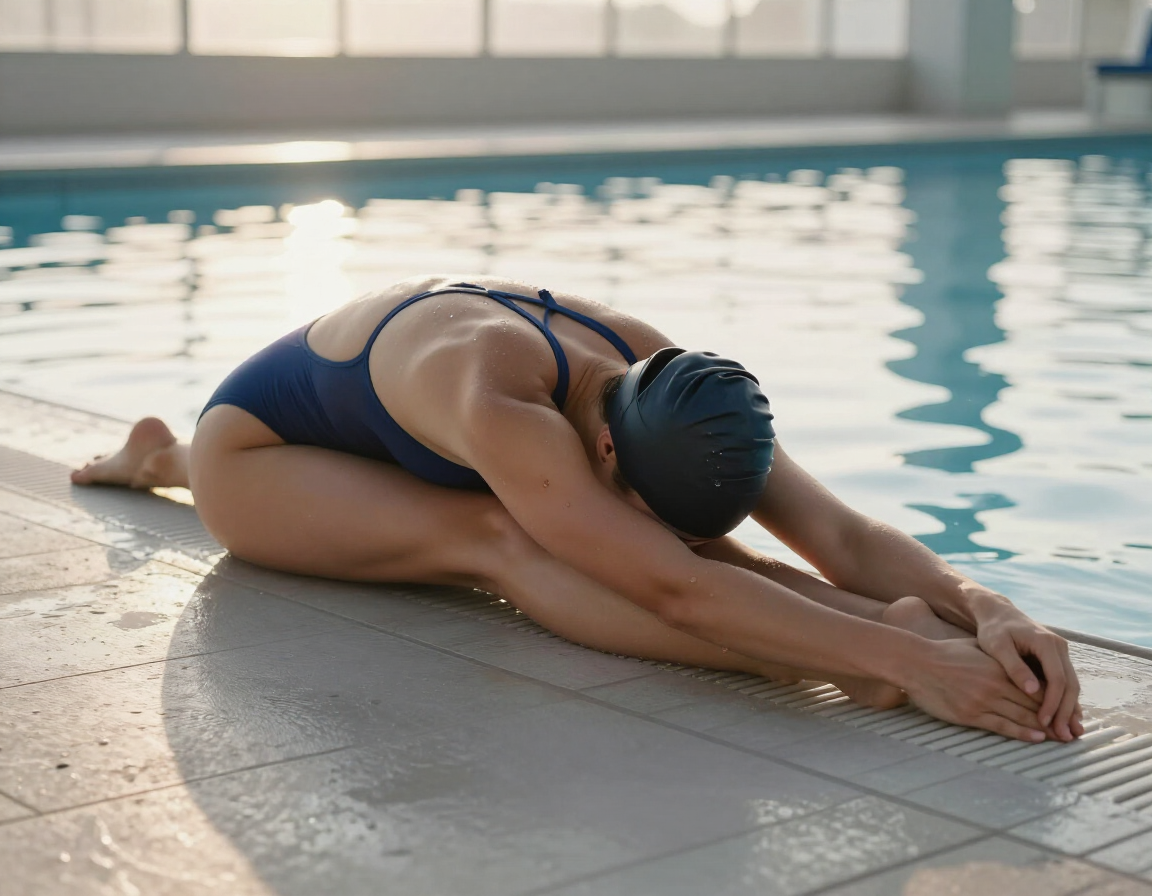
Essential Post-Swim Recovery Steps
What you do after you leave the pool is just as important as the work you put in during your laps. Recovery is the phase where your body actually builds strength. The first priority after a workout is to replenish your glycogen stores and provide protein for muscle repair. There is a "recovery window" of about thirty to forty-five minutes post-exercise where your body is most efficient at absorbing nutrients. A chocolate milk, a protein shake, or a meal consisting of chicken and rice are classic post-swim choices that provide the necessary balance of carbohydrates and protein.
Physical recovery also involves active restoration. Gentle stretching or using a foam roller can help alleviate muscle tightness and improve flexibility, which is vital for maintaining a long, efficient swim stroke. Sleep is perhaps the most underrated recovery tool available. During deep sleep, the body releases growth hormones that facilitate tissue repair and cognitive processing. Aiming for seven to nine hours of quality sleep each night will significantly impact your performance and overall wellness. By treating recovery with the same respect as your training, you ensure that you can return to the water day after day without burnout or injury. Consistent recovery routines are the hallmark of a disciplined and healthy swimmer who values long-term progress over short-term gains.
Why is mental wellness vital for athletes?
Swimming is often a solitary sport, which provides a unique opportunity for mental reflection but also requires significant mental resilience. Wellness isn't just physical; it's about the state of your mind and how you handle challenges. The repetitive nature of swimming can be meditative, helping to reduce stress and anxiety. However, the pressure to perform or the fear of water can also be taxing. At Chicago Swim 4 Wellness, we integrate mental coaching into our instruction to help students build confidence and overcome psychological barriers. A positive mindset allows you to approach each lesson with curiosity rather than fear, turning obstacles into opportunities for growth and personal achievement.
Building Confidence Through Safety Training
True wellness includes the peace of mind that comes from knowing you are safe. Safety training, including First Aid and CPR education, is a cornerstone of a healthy aquatic lifestyle. When you understand the risks and possess the skills to respond to emergencies, your confidence in the water increases exponentially. This empowerment is a vital part of the wellness journey. It allows you to enjoy the water fully, knowing that you have the tools to protect yourself and others. Safety is not a separate entity from health; it is the foundation upon which all other wellness habits are built, ensuring a lifetime of enjoyment.
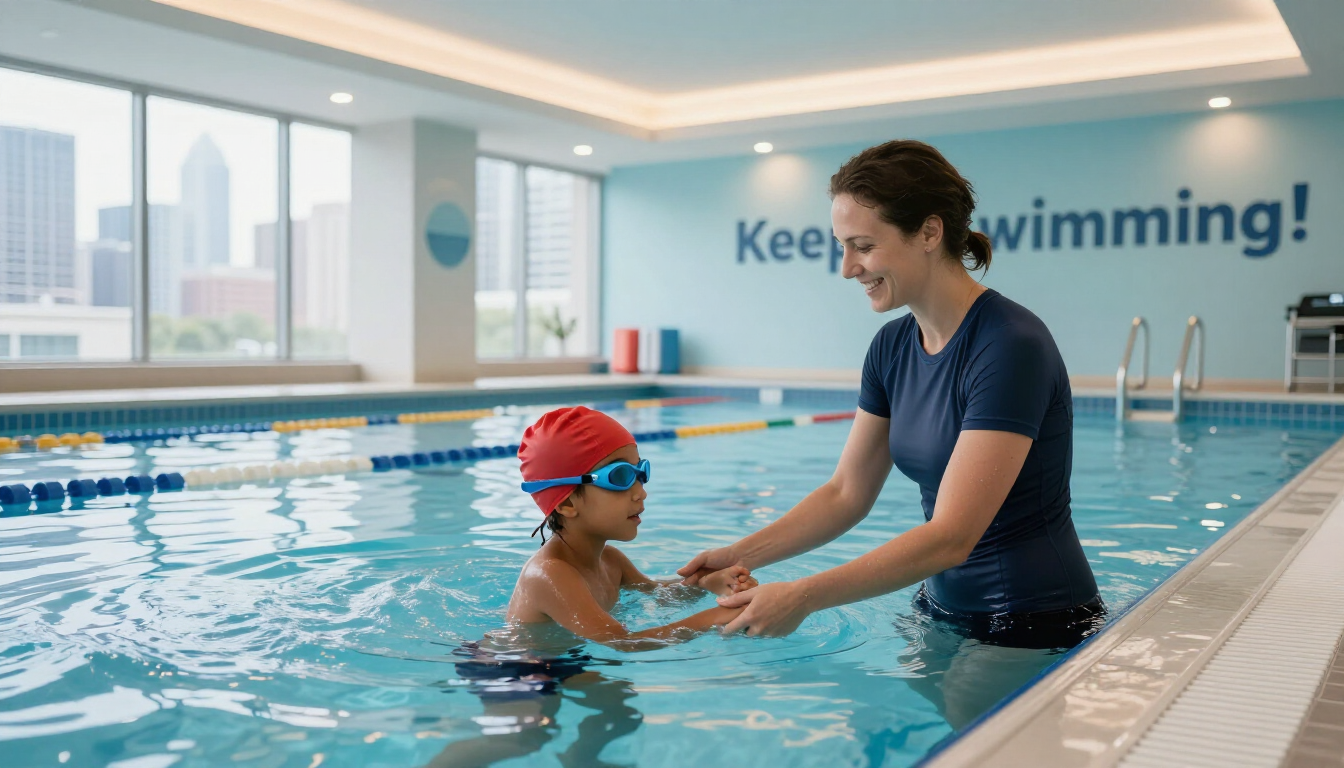
Can wellness coaching enhance my results?
Wellness coaching provides the personalized structure needed to turn health information into actionable habits. While general tips are helpful, every swimmer has unique goals, body types, and schedules. A coach helps you navigate these complexities, offering compassionate guidance on everything from meal planning to stress management. By aligning your daily habits with your swimming objectives, you create a synergy that accelerates your progress. Coaching ensures that you aren't just working harder, but working smarter, leading to sustainable health improvements that last long after you leave the pool deck.
In summary, achieving peak performance in the water requires a dedication to wellness that extends beyond the pool. By focusing on targeted nutrition, proactive hydration, and intentional recovery, you can transform your swimming experience from a simple workout into a comprehensive health journey. Remember that your body is your most valuable asset, and treating it with care through proper fueling and safety training is the best way to ensure long-term success and enjoyment in every aquatic endeavor.
Core takeaways for every swimmer:
- Fuel with complex carbs and lean proteins daily.
- Hydrate consistently to maintain focus and prevent cramps.
- Prioritize the 45-minute post-swim nutritional recovery window.
- Incorporate mental wellness and safety skills for confidence.
- Seek personalized coaching to align habits with swim goals.
Recent Posts